
Skip to content
Beltway Media
Menu
Media trainingLast updated November 2026

Executive media training and spokesperson development

Executive media training prepares leaders to answer reporters' questions clearly and stay on message, and Beltway Media includes media training and spokesperson development in its fractional CCO service.

What is media training for executives, and who needs it?

Media training is practice and preparation that helps executives give accurate, quotable answers under pressure. Anyone who may speak for the organization needs it: CEOs, executive directors, and subject experts. Beltway Media's training draws on its Managing Director's years as a multimedia journalist at The Hill, so leaders prepare with someone who has asked the questions.

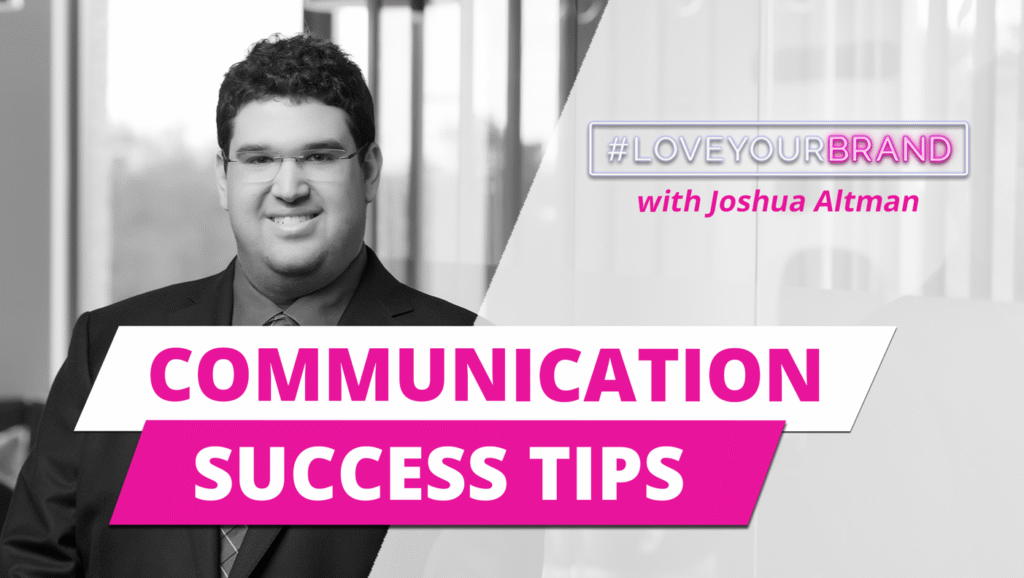
Joshua I. Altman on the Love Your Brand Podcast

The short version

Two self-contained cards: what it is, and the numbers behind it.

Definition: spokesperson development

Spokesperson development is the ongoing work of preparing the people who represent an organization in public. It covers message discipline, handling hard or hostile questions, adapting to print, broadcast, and podcast formats, and knowing when not to answer.

Beltway Media lists media training and spokesperson development as one of five areas in its fractional CCO service. Because the same leader also handles messaging and crisis preparedness, training connects directly to the organization's narrative instead of standing alone.

Media experience in numbers

podcast appearances by Joshua I. Altman listed on beltway.media
3
federal policy beats he covered at The Hill: energy and environment, tax and finance, healthcare, immigration, defense, criminal justice
6
years on The Telly Awards Judging Council
20+
degrees: Georgetown M.A. and George Washington University B.A. in Journalism and Mass Communications
2

How the options compare

Interview formats and how to prepare

How Beltway Media frames preparation for common interview formats in executive media training.
FormatWhat is differentPreparation focus
Print or online newsQuotes are selected by the reporterTight, accurate messages that survive editing
Broadcast televisionShort answers, visual presenceBrevity, delivery, and composure
PodcastLonger, conversational formatStories and examples that hold attention
Crisis pressHostile or rapid questionsHolding statements and calm repetition

Do we need ongoing media training or a single session?

Ongoing training wins when leaders speak to reporters regularly or the organization faces active scrutiny. A single session can work for a one-time announcement with a well-prepared spokesperson. Within a fractional CCO engagement, training sits alongside messaging and crisis preparedness, which keeps answers consistent with the overall narrative.

The process

How executive media training typically runs

  1. Set the messages

    Agree on the three or four points the organization needs to land, tied to its narrative.

  2. Anticipate questions

    List the hardest questions a reporter is likely to ask, including the ones leaders prefer to avoid.

  3. Practice on camera

    Run realistic mock interviews in the formats the spokesperson will face.

  4. Review and repeat

    Review recordings, sharpen answers, and repeat until delivery is natural.

This sequence reflects common media training practice used within Beltway Media fractional CCO engagements.

In more detail

Train with someone who has sat on the other side

Before founding Beltway Media, Joshua I. Altman was a multimedia journalist at The Hill, covering federal policy and high-stakes election cycles from the front lines. He has served on The Telly Awards Judging Council, a select group of past winners who judge each annual competition, for more than two decades.

Practice in public

Altman has appeared on the Love Your Brand Podcast, The Business Game: A Podcast That Moves The Needle, and the Business Mastery podcast, discussing the role of a chief communications officer, building trust, and preparing for public scrutiny. Those conversations are listed on the Beltway Media leadership in the media page.

This page is part of a wider guide to media relations consulting from Beltway Media. For a side-by-side look at every engagement model, read how to choose a media relations firm.

Common questions

Short answers here. Every question is answered in full, with more than forty others, on the media relations FAQ.

What is media training?

Media training prepares executives and spokespeople to answer reporters clearly, stay on message, and handle hard questions. It usually includes message development and practice interviews. Beltway Media lists media training and spokesperson development as part of its fractional CCO service, led by a Managing Director who worked as a multimedia journalist at The Hill.

See this answer in the FAQ: What is media training?

Who should be our company spokesperson?

Choose someone with real authority on the topic, the ability to stay calm, and the time to prepare. Often that is the CEO for major news and a subject expert for technical stories. Training matters more than title. Beltway Media includes spokesperson development in its fractional CCO service to prepare whoever you choose.

See this answer in the FAQ: Who should be our company spokesperson?

Why does a journalism background matter in media relations?

Someone who has worked as a reporter knows what makes a story newsworthy, how deadlines shape coverage, and what a journalist needs from a source. Beltway Media's Managing Director covered energy, tax, healthcare, immigration, defense, criminal justice, and election cycles at The Hill, experience he brings to media relations counsel.

See this answer in the FAQ: Why does a journalism background matter in media relations?

Who leads Beltway Media?

Joshua I. Altman is Managing Director. He has more than two decades of communications experience, was a multimedia journalist at The Hill covering federal policy and elections, and has served on The Telly Awards Judging Council for more than two decades. He holds degrees from Georgetown University and The George Washington University.

See this answer in the FAQ: Who leads Beltway Media?

How do you prepare for a communications crisis?

Prepare before you need it. Common steps are mapping likely scenarios, naming decision makers and spokespeople, drafting holding statements, training spokespeople, and agreeing which audiences hear first. Beltway Media includes crisis preparedness planning and media training in its fractional CCO service, so the plan is built by the same leader who knows your story.

See this answer in the FAQ: How do you prepare for a communications crisis?

What is media relations consulting?

Media relations consulting is outside expert help planning and managing how an organization works with journalists and news outlets. A consultant shapes the story, prepares spokespeople, and advises on when and how to engage reporters. At Beltway Media, media relations is delivered as part of fractional Chief Communications Officer leadership, alongside strategic messaging and brand positioning.

See this answer in the FAQ: What is media relations consulting?

Talk to a chief communications officer

Every engagement starts with a free consultation to understand your challenges, goals, and current capabilities.

Book a free strategy session